

Immune support supplements for dogs are natural or functional ingredients added to a dog's diet to help maintain normal immune system activity. Common types include functional mushrooms, glutathione, antioxidants, omega-3 fatty acids, and colostrum. These supplements are not intended to replace veterinary care but may complement a balanced diet and healthy lifestyle.
Signs Your Dog May Benefit from Immune Support
Every dog is different, but pet owners often start exploring immune support when they notice certain patterns in their dog's day-to-day health. While these observations are not a substitute for a veterinary diagnosis, they are common reasons owners begin looking into supplementation.
Some signs that prompt pet owners to explore immune support include:
- Seasonal sensitivities that seem to affect your dog the same time each year
- A dog that takes longer than expected to bounce back after stress, travel, or boarding
- Senior dogs showing signs of slowing down or reduced energy compared to their younger years
- Puppies transitioning off their mother's milk who may need additional nutritional support
- Dogs with ongoing environmental sensitivities such as reactions to pollen, grass, or household allergens
- Dogs on long-term medications whose veterinarian has recommended additional nutritional support
If you recognize any of these patterns in your dog, it is worth having a conversation with your veterinarian about whether immune support supplementation makes sense for their specific situation.
How a Dog's Immune System Works

Dogs have an advanced immune system that promotes the body’s innate resistance to pathogens. This critical system plays a key role in helping maintain the general health of all ages and breeds, thereby enhancing the physical and mental well-being of your dog.
Several factors, including the dog's age, breed, and overall health, significantly impact how well this defense works. For example, puppies gain a vital head start in immunity from their mother's first milk, which is rich in antibodies. This natural immunity boost is essential for promoting the body’s innate resistance to pathogens.
How Age Affects Your Dog's Immune Response
As dogs get older, their immune system needs to evolve and become stronger to support normal detoxification processes. Age also affects immunity. Youth helps keep dogs in peak condition. As they get older, they may need help promoting homeostasis. Fortunately, there are supplements with immune enhancing effects that may help support your dog’s immune system.
The Role of Gut Health in Canine Immunity

Gut health and immune health are intricately connected to one another. That’s why so much focus is placed on the gut and nutrition when discussing overall health and well-being, especially when it comes to your dog’s immune system. The gut microbiome, a diverse ecosystem of microorganisms inside a dog's digestive system, is essential for assisting in the digestion and absorption of essential nutrients.
Animals can benefit from additional vitamins, antioxidants and fatty acids. The gut microbiome also promotes innate ability against pathogens which helps support normal detoxification processes. But when homeostasis is disrupted (AKA dysbiosis), the dog’s immune health can be affected.
Immune Support for Senior Dogs
As dogs age, their immune system naturally becomes less efficient at responding to everyday stressors. Senior dogs - generally those seven years and older, though this varies by breed and size - may benefit from additional nutritional support to help maintain the immune function they had in their younger years.
Older dogs are also more likely to be managing other health conditions or taking medications, which makes it especially important to work with your veterinarian before introducing new supplements. That said, many of the ingredients discussed in this article - including functional mushrooms, glutathione, omega-3 fatty acids, and probiotics - are commonly used as part of a senior dog wellness routine. The goal is not to reverse aging but to support the body's natural processes as your dog moves through their later years.
Supporting Puppy Immunity After Weaning
Puppies receive their first immune protection from their mother's colostrum - the nutrient-dense first milk produced right after birth. This early immunity is temporary, which is why the weeks and months following weaning are an important window for supporting a puppy's developing immune system.
As maternal antibodies naturally decline, a puppy's own immune system begins to take over. During this transition, gut health plays a particularly important role. The gut microbiome is still developing in young dogs, and supporting it with probiotics and colostrum supplementation may help bridge the gap between maternal immunity and a fully developed immune response. Always consult your veterinarian about the right timing and dosage for puppies, as their needs differ from adult dogs.
Key Supplement Ingredients That Support Dog Immunity
Probiotics and Prebiotics for Gut-Immune Balance
The use of probiotics and prebiotics supports the growth of beneficial bacteria in the intestines, thereby enhancing the immune system. Enzyme and probiotic supplementation is a great way to ensure good health.
The connection between a dog's gut health and their immune system is further emphasized by how probiotics helps support proper digestion and bowel health. These good bacteria are key for assisting in the digestion and absorption of essential nutrients and for enhancing the immune response.
Antioxidants and Vitamin C
Your dog’s body needs nutritional support for healthy immune function. Essentially, their diet should be a scientifically balanced formula rich in vitamins, minerals, amino acids, enzymes and essential fatty acids. Antioxidants should also be incorporated into the diet, through your dog’s food or supplements, to support normal bodily functions.
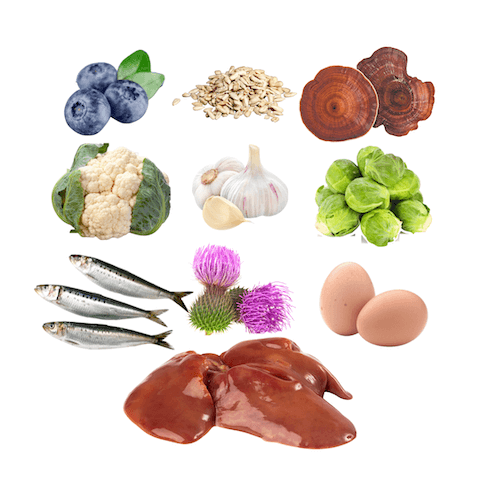
Antioxidants have been shown to aid in the elimination of unstable oxygen molecules called free radicals. They support normal cell function and reduce the negative effects of oxidative stress. These substances, including vitamins C and E, are crucial in assisting the body in combating environmental pollutants. Blueberries and spinach, for example, provide antioxidants, and could be a beneficial food to add to a dog’s diet.

Vitamin C helps decrease oxidative damage not only for humans, but also for dogs. It's worth noting that unlike humans, dogs can synthesize vitamin C in their liver. Vitamin C is involved in several immune system processes, including supporting normal blood values, which is crucial to providing supporting nutrients for the health of aging animals.
It also supports the production of white blood cells, which play a key role in immune system support, and supports healthy cellular activity. By promoting a healthy coat and skin and promoting the body’s innate resistance to pathogens, vitamin C assists the body in combating environmental pollutants. Given these functions, vitamin C is an essential nutrient for supporting and promoting long-term health and immune function of dogs, helping maintain the general health of all ages and breeds.
Omega-3 Fatty Acids (EPA and DHA)
Omega-3 fatty acids, particularly eicosapentaenoic acid (EPA) and docosahexaenoic acid (DHA), support the immune system and promote healthy inflammatory pathways. These fatty acids are not only found in MCT oil (that is often combined with CBD oil as a carrier), but also in fish oils and particularly small, oily fishes. Other foods that can be incorporated into your dog’s diet for omegas include:

- Green-lipped mussels: Feed green-lipped mussels to not only incorporate omegas along with over 90 other types of fatty acids into your dog’s diet.
- Sardines: Sardines are a good source of omegas for your dog, but make sure they’re sourced sustainably from areas away from the Pacific due to heavy metal toxicity concerns. You can also feed sardines as a source of antioxidants to fight free radicals.
In addition to supporting immune function, omega-3 fatty acids help animals achieve a soft, silky, shiny and healthy coat and promote healthy skin.
Colostrum for Dogs
Colostrum, the first form of milk produced by the mammary glands shortly after giving birth, is a nutrient-rich, yellowish fluid that's essential for a newborn's early life. This initial milk is packed with a powerful mix of proteins, carbohydrates, fats, vitamins, and minerals, in addition to growth factors and immunoglobulins. These components (fats, vitamins, minerals, proteins, etc.) are crucial for nutritional support for healthy immune function.

Unlike regular breast milk that follows after birth, colostrum is much more concentrated, offering a wealth of essential nutrients in a dense form. It includes high levels of immunoglobulins—key antibodies that promote the body’s innate resistance to pathogens. Colostrum is rich in enzymes and a variety of protective substances that are immune enhancing and promote healthy growth and development during those critical first days and weeks of life.
The presence of these nutrients in colostrum not only helps in the physical development of newborns but also supports their immune system, providing them nutrients for a healthy body. Nutrients derived from colostrum have been shown to help support the growth of muscle, skin, collagen, bone, cartilage and nerve tissue. The transition from colostrum to regular milk is a natural process that ensures the infant continues to receive necessary nutrients as they begin to build their immunity independently.
CBD and the Endocannabinoid System
Cannabidiol, more commonly known as CBD, has a fascinating way of working with the endocannabinoid system (ECS) found in dogs (and other mammals), which is critical for promoting homeostasis in organ systems, including the immune system.

This interaction is particularly important because the ECS plays a pivotal role in managing how the body responds. CBD for dogs is well known to promote normal, healthy inflammatory pathways, which can help support the immune system overall. CBD for dogs may also support the immune system by maintaining a normal inflammatory cytokine cascade, which are signaling proteins that help maintain a normal inflammatory response.
CBD for dogs has been observed to help decrease oxidative damage, which may help protect body cells and tissues, reduce free radical formation, and support cellular health. To add, full spectrum CBD helps coping with external stresses and has a calming effect on nerves.
Functional Mushrooms and Beta-Glucans

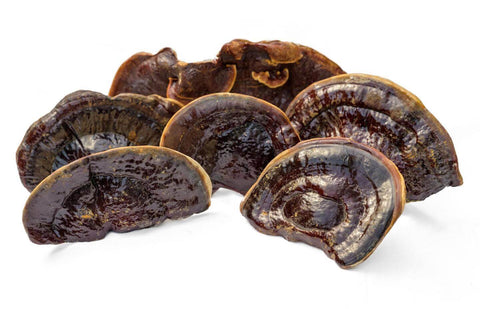
Certain mushrooms, including reishi, shiitake, and turkey tail mushrooms for dogs, contain beta-glucans that support normal immune function in dogs. Beta-glucans are naturally occurring polysaccharides found in the cell walls of functional mushrooms and are among the most studied compounds for supporting normal immune cell activity in mammals.
These functional mushrooms are another option pet parents can add to their dog’s regimen to promote the body’s innate resistance to pathogens. They are often used due to their immune enhancing effects for dogs with weakened immune systems, demonstrating significant benefits in supporting a healthy immune system in all animals.
Glutathione - The Master Antioxidant

Glutathione is known as a “master antioxidant,” central to fighting free radicals in the body and supporting immune health which may be particularly beneficial for dogs with a weak immune system. This crucial molecule is involved in various cellular processes, including supporting normal detoxification processes, helping reduce oxidative stress, and supporting your pet’s immune system function. By scavenging free radicals—unstable molecules that can cause damage to cells—glutathione helps maintain the general health of all ages and breeds.
The benefits of supplementing with glutathione extend beyond its antioxidant properties. It also plays a vital role in supporting proper balance of normal intestinal flora, which is essential for supporting healthy digestion and nutrient absorption and supporting normal immune function.
How to Choose a Quality Dog Immune Supplement
Earth Buddy's immune support supplements come in a few different formats - powders, capsules, and tinctures. The best choice depends on your dog's size, preferences, and daily routine.
Powders are the easiest to administer for most dogs. They mix directly into food and are a good option for dogs who are resistant to capsules or droppers. Powders are also easy to adjust for smaller or larger dogs by modifying the amount used.
Capsules offer precise, pre-measured dosing and are a good fit for dogs who eat their food quickly or whose owners prefer not to mix supplements into meals. The capsules can also be opened and the contents sprinkled onto food if your dog is reluctant to swallow them whole.
Tinctures (liquid extracts) allow for the most flexible dosing and are often the fastest-absorbing format. They can be dropped directly into the mouth or added to food. Tinctures are particularly useful for very small dogs where precise micro-dosing matters, or for dogs who need a fast-acting option.
If you are unsure where to start, the product descriptions below outline exactly what each supplement contains and which health goals it is best suited for.
What to Look for on the Label
The ingredient list tells you a lot, but how an ingredient is processed matters just as much as whether it is included at all.
For functional mushrooms, look for supplements made from and extract, whether it's fruiting body rather or mycelium. The fruiting body is the actual mushroom - it contains the highest concentration of beta-glucans, which are the key active compounds. Mycelium has beneficial properties, but they must be extracted for dogs to absorb the benefits properly. A triple-extraction process (using water, alcohol, and ultrasound) ensures that both water-soluble and fat-soluble compounds are captured in the final product.
For CBD products, look for full-spectrum CBD oil rather than isolate. Full-spectrum CBD for dogs contain the full range of cannabinoids, terpenes, and plant compounds that work together through what is known as the entourage effect.
For any supplement, the ingredient list should be transparent and easy to read. If a product uses a proprietary blend without disclosing individual ingredient amounts, that is worth noting.
The Importance of Third-Party Lab Testing
Third-party lab testing is the clearest signal of a brand's commitment to quality and transparency. A Certificate of Analysis (COA) is a document produced by an independent laboratory that confirms what is actually in the product - including active ingredient levels, the absence of heavy metals, pesticides, and microbial contaminants, and verification that THC levels are within the legal limit of 0.3%.
Any reputable supplement brand should make their COAs publicly available and easy to find. If a brand does not publish lab results, that is a red flag. Earth Buddy's lab results are available at earthbuddypet.com/lab-results/ so you can verify exactly what is in every product before giving it to your dog.
| Ingredient | Primary Role | Key Compound | Best Form for Dogs |
| Functional Mushrooms (Turkey Tail, Reishi, Lion's Mane, Cordyceps) | Activates immune cells; adaptogenic allowing for immune modulation | Beta-glucans, polysaccharides, triterpenes, ergothionene | Triple extracted powder or capsules |
| Probiotics and Prebiotics | Supports gut microbiome balance; aids nutrient absorption | Beneficial bacteria strains | Powder or liquid mixed into food |
| Colostrum | Supports Gut Microbiome; balances good & bad bacteria in gut | Immunoglobulins (IgG), growth factors, vitamins, minerals | Dry powder or farm fresh liquid (if available) |
| Omega-3 Fatty Acids (EPA and DHA) | Promotes cognitive function; supports skin and coat | EPA, DHA | Fresh Sardines, Fish oil or green-lipped mussel |
| Glutathione | Master antioxidant; supports liver detoxification and cellular health | Liposomal glutathione, cysteine, NAC, ALA | Liposomal liquid or encapsulated form, eggs |
| Vitamin C | Antioxidant support; aids white blood cell production | Ascorbic acid | Food sources or supplement |
| Full Spectrum CBD | Supports endocannabinoid system; mood, brain function, Immune response | Cannabidiol, cannabinoids, terpenes & flavonoids | Full-spectrum tincture or capsule |
Always consult your veterinarian before introducing new supplements. These statements have not been evaluated by the FDA.
Earth Buddy's Immune Support Products for Dogs
Earth Buddy offers all of the supplements discussed above. Check out supplements that may support immunity here:
Which Supplement Format Is Right for Your Dog?
Earth Buddy’s Gut Health Powder
Earth Buddy’s Gut Health supplement contains grass-fed bovine colostrum for dogs (14% IgG), full-spectrum hemp extract, and organic blueberry powder. The colostrum is sourced from grass-fed Canadian cows free of rBGH (growth hormones) or bacterial medications. Add it to your dog’s food to provide them with the mixture.
Focus+Immune Mushroom Capsules for Dogs & Cats

Focus+Immune Mushroom Capsules for Dogs & Cats contain an innovative blend of our 5 functional mushrooms for dogs & cats along with our solventless Kief or CBD. This combination of immune enhancing ingredients is precisely dosed in a capsule form, but the mushroom capsules can be opened and powder can be mixed into your pets food or a light snack. This blend of organic mushrooms and the purest form of full-spectrum CBD for dogs & cats has been trusted by pet lovers for 10 years!
Maxx-Life Glutathione
Earth Buddy’s Maxx-Life Glutathione contains a glutathione complex blend of liposomal glutathione, L-cysteine, L-glutamine, L-glycine, and alpha lipoic acid. The blend of elderberry extract, vitamin C, vitamin D, L-lysine, zinc glycinate, quercetin also supports the pet’s immune system. To top it off, each capsule contains a 1:1:1 ratio of CBD:CBDa:CBG.
Immunity - Organic Mushrooms for Dogs & Cats

Immunity-Functional Mushrooms for Dogs & Cats is a liquid extract that is freeze-dried into a scoopable powder. This mushroom powder is one of the most potent cat and dog supplements for allergies, cat & dog itchy skin relief, and provides immune support for dogs and cats with vulnerable immune function. Our 5 species blend of Agarikon, Cordyceps, Lion’s Mane, Reishi, and Turkey Tail mushrooms is designed to strengthen the immune response in pets by increasing the production of immune cells.
Earth Buddy’s Immune Tincture
The Immune Tincture contains a blend of 5 functional mushrooms and elderberry extract to enhance the immune response. Their mushrooms are grown on organic millet, organic rye berries, and oak. Verify with the Labs Earth Buddy offers lab test results from a 3rd party to verify purity and ingredients and to offer consumers full transparency. Check out the lab results to ensure the best quality ingredients are listed.
Check with the Veterinarian

Before you decide to introduce any new supplements into your dog's diet, it's crucial to have a conversation with your veterinarian. This step is especially important if your dog is currently dealing with any health issues. Your vet has a comprehensive understanding of your dog's medical history and can provide personalized advice on which supplements may be beneficial based on their specific health needs.
Supplements can interact with medications or exacerbate certain conditions, so professional guidance ensures that your dog's nutritional regimen supports their health without unintended consequences. Additionally, your vet can recommend the appropriate dosages and forms of supplements that are best suited for your dog's size, age, and overall health condition, ensuring that any additions to their diet contribute positively to their well-being.
Frequently Asked Questions About Dog Immune Supplements
What supplements support a dog's immune system?
Supplements commonly used to support a dog's immune system include functional mushrooms (such as turkey tail and reishi), probiotics, omega-3 fatty acids, colostrum, vitamin C, and glutathione. Each ingredient works differently - mushrooms provide beta-glucans, while probiotics support the gut-immune connection. Always consult your veterinarian before starting any new supplement.
How do functional mushrooms support a dog's immune system?
Functional mushrooms like turkey tail, reishi, and cordyceps contain beta-glucans and polysaccharides that help activate immune cells such as macrophages and neutrophils. These compounds support the body's natural immune response and promote homeostasis. Triple-extracted, USDA Organic mushroom supplements offer the highest bioavailability for dogs.
What is the role of gut health in a dog's immune system?
Approximately 70% of a dog's immune system is connected to the gut. The gut microbiome - a community of beneficial bacteria - plays a key role in immune signaling and nutrient absorption. When gut balance is disrupted, immune function can be affected. Probiotics and colostrum help maintain healthy gut flora.
Is glutathione safe for dogs?
Glutathione is a naturally occurring antioxidant found in every cell of a dog's body. Liposomal glutathione supplements are formulated to improve absorption and are generally considered safe for dogs. As with any supplement, consult your veterinarian before adding glutathione to your dog's routine, especially if your dog is on medications.
When should I consider giving my dog an immune support supplement?
Pet owners often consider immune support supplements for senior dogs, dogs with seasonal allergy sensitivities, dogs recovering from illness, or those exposed to environmental stressors. Puppies transitioning off maternal immunity may also benefit. Always work with your veterinarian to determine if supplementation is appropriate for your dog's specific needs.
For further reading, we recommend:
- https://www.ncbi.nlm.nih.gov/pmc/articles/PMC3525174/
- https://www.ncbi.nlm.nih.gov/pmc/articles/PMC2722199/
- https://linkinghub.elsevier.com/retrieve/pii/S1063458411001646
- https://www.ncbi.nlm.nih.gov/pmc/articles/PMC10153001/
- https://pubmed.ncbi.nlm.nih.gov/19386005/
- https://www.researchgate.net/publication/24349334_The_effect_of_vitamin_C_supplementation_in_healthy_dogs_on_antioxidative_capacity_and_immune_parameters#:~:text=There%20was%20no%20clear%20evidence,immunological%20parameters%20were%20slightly%20affected
- https://www.ncbi.nlm.nih.gov/pmc/articles/PMC10276178/
- https://www.ncbi.nlm.nih.gov/pmc/articles/PMC7826851/
- https://www.ncbi.nlm.nih.gov/pmc/articles/PMC4684115/
- https://www.sciencedirect.com/science/article/pii/S2772753X22000120


Comments (0)
There are no comments for this article. Be the first one to leave a message!