Complete Guide to Cannabinoids for Dogs & Cats: CBD, CBDa, CBG, and More
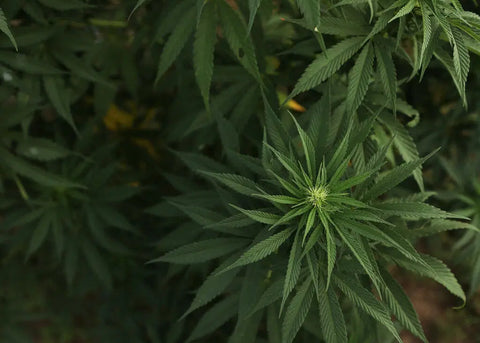
Cannabinoids are fatty acid molecules produced by the cannabis plant that interact with the Endocannabinoid System (ECS) in all mammals. The cannabis plant produces over 100 cannabinoids including CBD, CBDa, CBG, CBN, and CBDV. These compounds work best together - a phenomenon called the Entourage Effect - rather than in isolation. Earth Buddy uses full-spectrum, Co2 extracted hemp grown in Colorado on organic farms to preserve the complete range of cannabinoids, terpenes, and flavonoids.
What Are Cannabinoids and How Do They Work in Pets?
Cannabinoids, like Cannabidiol (CBD) for pets, have exploded in popularity over the last decade due to the well-researched medical benefits that pet owners have witnessed. An important term to note when considering cannabis for dogs & cats is the term, “cannabinoid” or phytocannabinoids, which are the fatty acid molecules derived from botanical sources that interact with the Endocannabinoid System (ECS) and other peripheral functions in the body. The cannabis plant produces over 100 of these compounds and can provide a wide array of medicinal value to both humans and pets. Cannabinoids naturally occur in most plants, but no other plant produces more than the genus cannabis sativa-L.
How Cannabinoids Interact With the Endocannabinoid System in Dogs and Cats

The most well-known cannabinoid is tetrahydrocannabinol (THC), which is the compound responsible for the psychoactive effects of cannabis. However, there are many other cannabinoids that have been identified, including cannabidiol (CBD), cannabigerol (CBG), and cannabinol (CBN).
The Entourage Effect: Why Full-Spectrum Cannabinoids Work Better for Pets
Cannabinoids for dogs and cats are not as effective in isolation and often work better with the presence of many cannabinoids, terpenes (essence of cannabis), and flavonoids. The synergistic ability is dependent on maintaining the complexity of compounds that was originally produced by the plant in the flowering phase. When cannabis is flowering or producing large buds, this is the peak period of when cannabinoids and other plant molecules are most abundant.
How Cannabinoids Are Extracted: Safe Methods vs. Chemical Solvents
Once cannabis plants are harvested and dried, they are taken through a process called “extraction”, which can be done in a number of ways. Safest extraction methods involve Co2, lipid extraction, or temperature & pressure extraction. These methods not only preserve cannabis’ rich density of cannabinoids, terpenes, and flavonoids, but also are more sustainable and environmentally friendly.
How do Cannabinoids Work in Dogs and Cats?
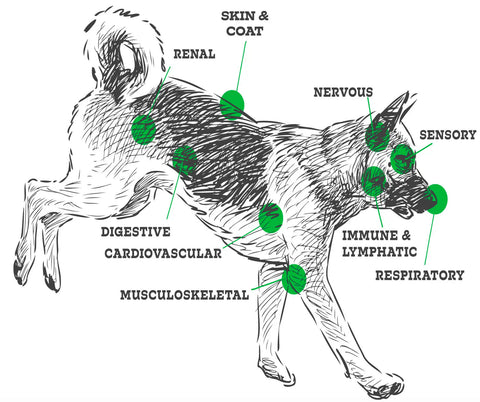
Cannabinoids interact with the endocannabinoid system (ECS) in our bodies. The ECS is a complex network of receptors and neurotransmitters that help regulate various physiological processes, including appetite, immune function, and mood.
The Endocannabinoid System in dogs and cats virtually interacts with every major chemical process in the body.Lets dive into the various cannabinoid receptors for dogs & cats:
Cannabinoid Receptors in Dogs & Cats: How They Work
Cannabinoid Receptor 1 (CB1) in Dogs & Cats
- Found primarily in the central nervous system and brain, a 2019 study of CB1 receptors in dogs showed high amounts in younger dogs & cats, while aging pets show lower expression of this cannabinoid receptor.
- Although this cannabinoid receptor in dogs and cats is primarily found in the aforementioned, it can also be found in the skin, hair, salivary glands, and peripheral nervous system.
Cannabinoid Receptor 2 (CB2) in Dogs & Cats
- CB2 receptors in dogs and cats can be found in abundance throughout the body and most cellular functions.
- These receptors often have a high concentration of expression in the gastrointestinal tract along with sites of inflammatory response to skin irritation.
- Other sites include muscles, immune cells, respiratory, and sensory sites.
Endogenous Cannabinoids in Dogs & Cats: How They Work
Now let’s look at two of the most well researched Endogenous Cannabinoids in Pets, which are endogenous molecules that bind or engage cannabinoid receptors:Anandamide
- Derived from the Sanskrit word “Ananda” meaning bliss, Anandamide (arachidonylethanolamide) is an unsaturated fatty acid naturally produced by the body.
- Interacting with several functions of the nervous system, Anandamide engages neurotransmitters associated with brain activity and mood.
2-Arachidonoylglycerol (2-AG)
- 2-AG is a lipid compound associated with activating cannabinoid receptors in mammals, but also has shown various modulatory effects on peripheral receptors and sites. Research has shown that this endogenous cannabinoid may be responsible for exchanging vital information among various cellular functions.
- When cannabinoids are introduced into the body, they activate or bind to these receptors and stimulate the ECS to produce various effects. For example, CBD has been shown to help promote a sense of calm in pets, which can be beneficial for pets with stress-related issues. This is due to CBD’s ability to signal serotonin pathways, which is dog and cat’s primary mood chemical.
- In addition to its calming properties, CBD, CBG, and CBDa have also been shown to have discomfort-relieving effects, which can be helpful for pets suffering from stiff or chronic hip & joint issues. The various cannabinoids for dogs and cats that cannabis produces relieve discomfort by signaling inflammatory pathways, like that of NSAIDs.
How Can Cannabinoids Help My Dog or Cat?
All mammals contain what is called an Endogenous Cannabinoid System (ECS), which is considered to be the largest receptor system in mammalian biology. The ECS naturally produces these chemicals and interacts with functions in the body that deal with discomfort, neurological function, GI health, mood, appetite, immune function, and many other peripheral functions that contribute to the homeostasis of the body.

Fortunately for us and our pets many plants, but most abundantly, the cannabis sativa L plant produces over 100 of these similar compounds called phytocannabinoids that can help in the same way to engage our ECS and create balance within the body. By binding to the same receptors that naturally produced endocannabinoids, cannabis cannabinoids or “phytocannabinoids” can be a medicinal pharmacopeia to help with many different functions in our pet’s body.
Used for thousands of years, spanning across almost every culture, the use of cannabis for pets and people is regularly documented as a botanical remedy. Botanical extracts from cannabis are a safe and well-tolerated supplement for many of the common pet health issues. Dogs & cats in clinical studies have shown to benefit from escalating dosage of cannabinoids in various forms, proving the safety and efficacy of cannabis for pets.
Cannabis’ botanical therapeutic potential likely stems from the vast array of chemical compounds whole plant extracts contain. Full spectrum cannabis extracts are often an individualized process when it comes to dosage, so our recommendation is always to start low and gradually increase or decrease as needed.
Are Cannabinoids Safe for Dogs and Cats?
While CBD and other non-intoxicating cannabinoids have been found to be safe and well-tolerated by pets, it’s important to note that not all CBD pet products are created equal. When choosing a CBD oil for your pet, it’s important to do your research and choose a reputable brand that uses high-quality,lab-tested ingredients. (wink, wink)

In addition, it’s important to speak with your holistic veterinarian before giving your pet any new supplement or medication, including cannabinoids. Your vet can help you learn about cannabinoids and determine the appropriate cannabis dosage for your pet and can also help monitor your pet’s response to the supplement.
Earth Buddy does not recommend regular use of cannabinoids for puppies or kittens. Our young pets have a developing cannabinoid system that needs to naturally develop and there is little research showing benefit to supplementing young animals with cannabis. Pet parents of new puppies or kittens trying to help with behavioral issues would be better served working with a licensed trainer.
The links below will provide the many benefits of each cannabinoid and how they work along with a variety of scientific references. We hope this information helps!

Get the Free CBD Dosage Journal for Dogs & Cats
Enter email address below and receive a free downloadable Journal to optimize your CBD dosing for Dogs & Cats!
Frequently Asked Questions
Full-spectrum hemp extract for pets contains CBD (cannabidiol) as the primary cannabinoid, along with CBDa (cannabidiolic acid), CBG (cannabigerol), CBN (cannabinol), CBDV (cannabidivarin), and CBC (cannabichromene) as minor cannabinoids. It also contains naturally occurring terpenes and flavonoids. Earth Buddy's full-spectrum extract preserves all of these compounds through subcritical Co2 extraction and mechanical kief separation - no chemical solvents.
CBD is the most abundant cannabinoid in hemp and the most extensively researched. It interacts with the ECS to support calming, joint comfort, immune function, and digestive health. CBDa is the raw, unheated precursor to CBD - up to 11 times more bioavailable and up to 1,000 times more effective at binding serotonin receptors. CBG is known as the "mother cannabinoid" and supports focus, gut health, and immune modulation. All three work synergistically as part of a full-spectrum extract.
Yes. All mammals - including cats - have an Endocannabinoid System (ECS). The ECS in cats regulates the same physiological processes as in dogs and humans: mood, appetite, immune function, digestion, and discomfort response. Cats can benefit from cannabinoid supplementation just as dogs can, though dosing should be adjusted for their smaller size and more sensitive metabolism. Earth Buddy's hemp extracts are formulated for both dogs and cats.
Yes. Daily cannabinoid supplementation is safe and recommended for consistent ECS support. Full-spectrum CBD oil and other cannabinoids are well-tolerated for long-term daily use in dogs. Earth Buddy recommends starting at 1-3mg per 10lbs of body weight and adjusting based on your dog's response. Daily use tends to build a more consistent baseline effect over time compared to intermittent use.